
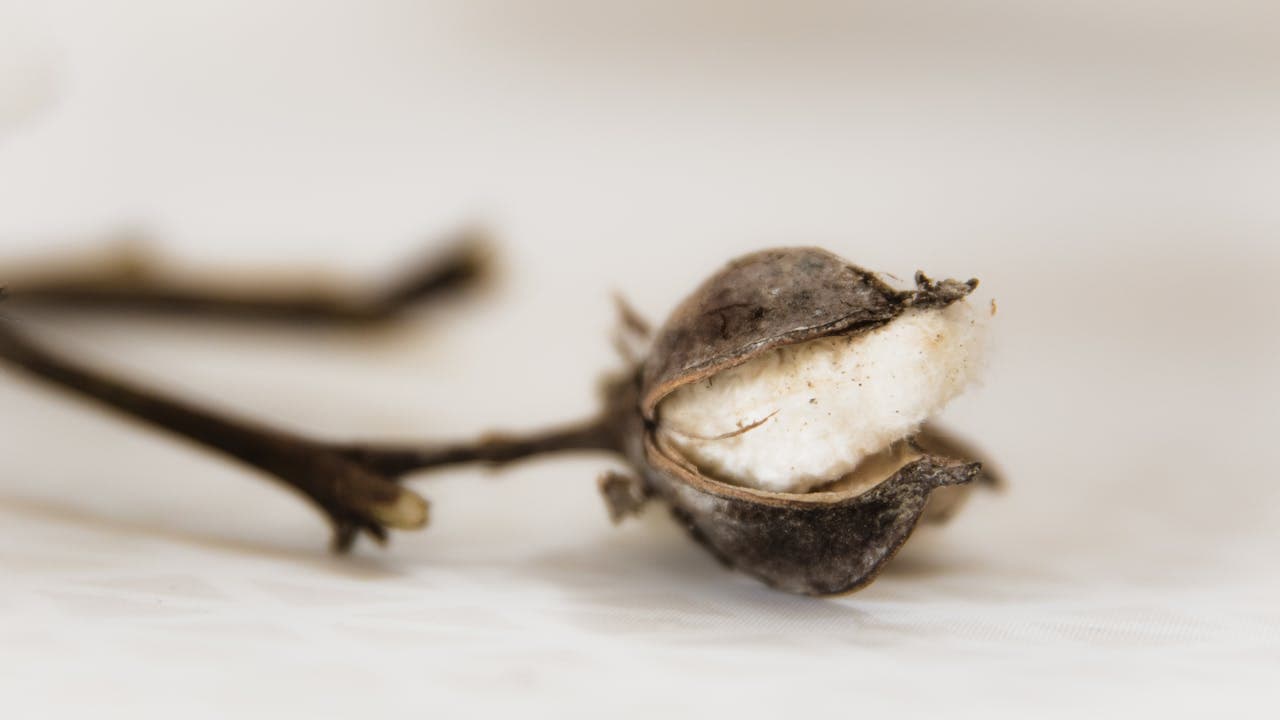
गॉसिपोल क्या है?
गॉसिपोल एक पीले रंग का पॉलीफेनोलिक पिगमेंट है जिसे कपास का पौधा शिकारियों और कीटों से बचाव के लिए प्राकृतिक रूप से बनाता है। यह पूरे कपास के पौधे की पिगमेंट ग्रंथियों में पाया जाता है, और बीजों में इसकी मात्रा सबसे ज़्यादा होती है। गॉसिपोल दो रूपों में पाया जाता है — फ्री गॉसिपोल (जैविक रूप से सक्रिय और विषैला) और बाउंड गॉसिपोल (अमीनो एसिड से जुड़ा हुआ, जो रूमिनेंट्स के लिए हानिरहित माना जाता है)। फ्री गॉसिपोल की मात्रा कपास की किस्म, उगाने की परिस्थितियों और प्रोसेसिंग के तरीके पर निर्भर करती है।
रूमिनेंट पशु गॉसिपोल को क्यों सहन कर पाते हैं?
गाय, भैंस, बकरी और भेड़ जैसे रूमिनेंट पशु गॉसिपोल को संभालने में विशेष रूप से सक्षम होते हैं। रूमेन (पशु का पहला पेट) में घुलनशील प्रोटीन फ्री गॉसिपोल के साथ मिलकर स्थिर यौगिक बनाते हैं जो खून में अवशोषित नहीं हो पाते। यही डिटॉक्सिफिकेशन प्रक्रिया वयस्क रूमिनेंट्स को सुअर, मुर्गी और घोड़े जैसे मोनोगैस्ट्रिक पशुओं की तुलना में गॉसिपोल विषाक्तता से काफी हद तक सुरक्षित रखती है। डेयरी नॉलेज पोर्टल (NDDB) के अनुसार, रूमिनेंट पशु तभी प्रभावित हो सकते हैं जब लंबे समय तक बहुत अधिक मात्रा में गॉसिपोल का सेवन रूमेन की डिटॉक्सिफिकेशन क्षमता को पार कर जाए।
सुरक्षित मात्रा कितनी है?
नेशनल डेयरी डेवलपमेंट बोर्ड के दिशा-निर्देशों के अनुसार, दूध देने वाली गायों के लिए बिनौला खल को कुल आहार के सूखे पदार्थ (dry matter) के 15% तक सुरक्षित रूप से शामिल किया जा सकता है। मर्क वेटेरिनरी मैनुअल के अनुसार वयस्क रूमिनेंट सामान्य मात्रा में गॉसिपोल को प्रभावी ढंग से डिटॉक्सिफाई कर लेते हैं। शोध बताते हैं कि संवेदनशील पशुओं में विषाक्तता की सीमा लगभग 6 मि.ग्रा फ्री गॉसिपोल प्रति किलो शरीर के वजन प्रतिदिन से शुरू होती है। प्रोसेसिंग के दौरान हीट ट्रीटमेंट (पकाना, भूनना, ऑटोक्लेविंग) फ्री गॉसिपोल को प्रोटीन से बांधकर उसकी मात्रा कम कर देता है, जिससे सुरक्षा और बढ़ जाती है।
गॉसिपोल विषाक्तता के चेतावनी संकेत
अच्छी तरह से प्रबंधित झुंडों में यह दुर्लभ है, फिर भी गॉसिपोल विषाक्तता के लक्षणों में शामिल हैं: कमज़ोरी और सुस्ती, चारा खाने में कमी, सांस लेने में तकलीफ, सीने (brisket) में सूजन, मादा पशुओं में अनियमित मद-चक्र, और नर पशुओं में कामेच्छा में कमी। गंभीर मामलों में हृदय की मांसपेशियों में नेक्रोसिस और अचानक मृत्यु भी हो सकती है। प्रभावित पशुओं में बिनौला उत्पाद बंद करने के 2 हफ्तों बाद तक भी लक्षण दिख सकते हैं। ऐसे संकेत दिखने पर तुरंत आहार से बिनौला उत्पाद हटाएं और पशु चिकित्सक से संपर्क करें। सहायक उपचार के रूप में लाइसिन, मेथिओनिन और वसा में घुलनशील विटामिन दिए जा सकते हैं।
सुरक्षित खिलाने के सर्वोत्तम तरीके
केवल प्रोसेस्ड बिनौला खल (एक्सपेलर या सॉल्वेंट-एक्सट्रैक्टेड) ही खिलाएं, क्योंकि प्रोसेसिंग से फ्री गॉसिपोल कम हो जाता है। फफूंद से बचाने के लिए आहार को ठंडी और सूखी जगह पर रखें। 6 महीने से कम उम्र के बछड़ों को बिनौला खल न खिलाएं (उनका रूमेन अभी अपरिपक्व होता है)। प्रजनन के लिए रखे गए सांडों को प्रजनन सीज़न से 60-90 दिन पहले बिनौला उत्पाद देना बंद कर दें। हमेशा संतुलित आहार दें — बिनौला खल विविध आहार का एक हिस्सा होनी चाहिए, प्रोटीन का इकलौता स्रोत नहीं। संदेह होने पर अपने आहार में फ्री गॉसिपोल की मात्रा जंचवाएं।
Source: Dairy Knowledge Portal (NDDB) / Merck Veterinary Manual — यह लेख मूल स्रोत से अनुकूलित किया गया है। पूरा लेख पढ़ने के लिए ऊपर दिए गए लिंक पर जाएं।
दो Bhai की शुद्ध बिनौला खल मंगवाएं
हिसार और आसपास के जिलों में सिंगल-प्रेस्ड बिनौला खल, सरसों खल और चना चूरी की होम डिलीवरी।